The Background and Basics of Egyptian Arabic
Arabic is the national language of Egypt and it is spoken throughout the Middle East and North Africa.
Prior to the life of Mohammed, Arabic was the language of only a few tribes of nomadic peoples on the Arabian Peninsular. With the coming of the prophet and the spread of Islam, Arabic became the language of an entire empire that spanned from Iraq in the East to Morocco in the West.
The Arab armies penetrated Europe and reached the borders of France . As a result there are more than four thousand Arabic words in the Spanish language.
Broadly speaking there are two kinds of Arabic. High Arabic is the formal, classical language used in the Koran. Each county also has its own colloquial Arabic or street Arabic which can vary greatly. An Iraqi and a Moroccan for example would have no trouble reciting verses of the Koran to each other, but may find it a little more challenging making small talk.
Egyptian Arabic is understood widely. This is largely due to its dominant movie and music industries which disseminate Egyptian Arabic throughout the Arab world. Egyptian Arabic is also known to be one of the most melodic interpretations of the Arabic language.
English is widely spoken in Egypt , and you will have no problems getting around without knowing a word of Egyptian Arabic. In the past many schools taught in French or English, and as such many of the older generation still speak French too.
Learning some basic Egyptian Arabic will go a long way to enhancing your vacation. It will improve your interaction with the locals, ease travel arrangements, and ensure that you get the best prices when haggling in the markets.
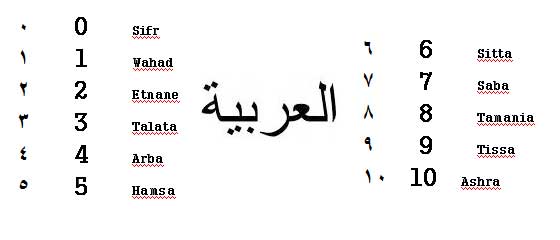
Below are a few choice words and phrases to help you master the essentials of Egyptian Arabic:
General
Peace be with you - Assalam Alaikoom (Greeting)
Yes - Aywa
No – La (as in cat without the t)
Thank you – Shukran
No Thank you – La Shukran
You’re welcome - Afwan
Please - Min Fadlack
Goodbye - Massalama
God Willing - In Shalla
Do you speak English? - Enter Kallam Englizi?
I do not speak Arabic - Anna mish kallam Arabi
Download the Guide to Egyptian Arabic to take on your travels